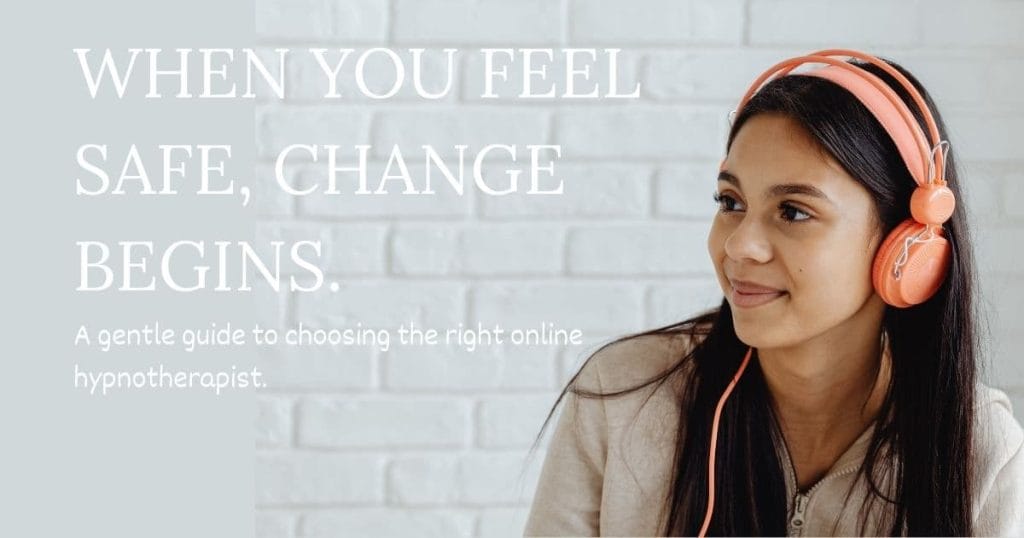
How to Choose an Online Hypnotherapist for Anxiety & Confidence
A calm, February‑soft guide for anyone feeling overwhelmed by options
February has its own rhythm quieter, steadier, a month where people often start looking for support that feels more sustainable.
If you’re exploring online hypnotherapy for anxiety or confidence, this guide is here to help you choose someone who feels safe, qualified, and genuinely right for you.
1. Look for someone who specialises in anxiety or confidence work
Hypnotherapy is a broad field, and specialisation matters.
For anxiety and confidence work, you want someone who:
works with emotional patterns, not just symptoms
understands how beliefs form and how they can shift
offers root‑cause work rather than surface‑level relaxation
Approaches like RTT® can be especially helpful here because they work with the deeper beliefs that sit underneath anxious thinking or low self‑trust.
If you’ve ever thought, “I know this isn’t logical, but I still feel it,” that’s exactly the level a good hypnotherapist works with.
2. Check their online experience
Online hypnotherapy isn’t just “in person but on Zoom.”
A skilled online practitioner will:
explain how they create safety and connection through video
guide you in setting up a comfortable space
have a clear structure for sessions
feel confident working with emotional material remotely
You should feel held, not left to figure things out alone.
3. Read how they talk about their work
Tone matters.
You’re looking for someone who:
speaks in calm, human language
avoids jargon or over‑promising
explains what to expect
acknowledges that change is a process
centres emotional safety
If their writing feels grounded and steady, their sessions usually will too.
If you feel calmer just reading their words, that’s a good sign.
4. Look for real‑world examples or case studies
Case studies help you understand:
the types of issues they work with
how clients describe the experience
the emotional tone of their work
the kind of changes people notice afterwards
Case studies aren’t about perfection. They simply help you get a feel for how someone works and whether their approach resonates with you.
5. Check their training and accreditation
For UK‑based practitioners, look for:
CNHC registration
Membership with NCH, GHR, or similar
Clear training in hypnotherapy or RTT®
Evidence of ongoing CPD or supervision
Accreditation isn’t everything, but it does show a commitment to safe, ethical practice.
Clear credentials, paired with a grounded explanation of how they work, can help you feel more confident in your choice.
6. Trust how you feel during the initial call
Most therapists offer a short consultation. Notice:
Do you feel listened to
Do they explain things clearly
Does their voice feel calming
Do you feel judged or understood
Does your body soften or tense
Your nervous system is a better guide than any directory.
If you find yourself exhaling without realising it, that’s usually a sign you’re in the right place.
7. Red flags to watch for
It’s best to avoid practitioners who:
promise guaranteed results
make medical claims
pressure you into booking
dismiss your concerns
talk more about themselves than your needs
Hypnotherapy should feel collaborative, not sales‑driven.
If you’d like general mental health guidance, organisations like Mind and the NHS offer clear, reliable information without pressure.
8. What to expect from online hypnotherapy for anxiety & confidence
A good practitioner will help you:
understand where your patterns began
shift the beliefs driving anxiety or self‑doubt
build emotional safety and inner trust
feel more grounded in everyday situations
develop confidence that feels natural, not forced
This is gentle, root‑level work, not willpower or quick fixes.
9. Questions you can ask before booking
These can help you get a feel for their approach:
How do you work with anxiety or confidence issues
What does a typical session look like
How do you keep online sessions safe and grounded
What kind of changes do clients usually notice
How many sessions do people typically need
You’re not interviewing them, you’re checking for alignment.
10. Final thought
Choosing the right hypnotherapist isn’t about finding the “best” one, it’s about finding the person who feels safe, steady, and aligned with what you need.
February is a beautiful month for this kind of decision. It’s not about resolutions or pressure. It’s about choosing support that feels kind, sustainable, and genuinely right for you.
Ready to Explore Online Hypnotherapy for Anxiety or Confidence?
If you’d like to get a feel for how I work, I offer a free consultation where we can talk through what you’re experiencing and whether online RTT® hypnotherapy feels like the right fit for you.
👉 Book your free consultation here

About the Author
Joanna Jewitt is a Clinical Hypnotherapist and Advanced RTT® Practitioner, trained personally by Marisa Peer. She helps people overcome anxiety, rebuild confidence, and break free from limiting patterns through online RTT® hypnotherapy sessions worldwide.
Related Reading:
🧠 Why You Can’t Willpower Your Way Out of Old Patterns
– Learn why emotional habits are so persistent, and how to create change that actually lasts.
💔 Are You a People Pleaser? How RTT® Can Help You Reclaim Your Confidence
🌟 How Online Hypnotherapy Helps You Feel Calmer in Everyday Life
If you would like to stay in touch; connect with me on Facebook or check out my blog.